Precision Refrigerant Charge Professionally
Air Conditioning Repair Services: A Comprehensive Guide for Effective Temperature Regulation
HVAC maintenance solutions play an essential role to guarantee perfect indoor temperatures within homes Typical problems, such as ineffective cooling and odd noises, often point to the requirement for immediate attention Knowing the details regarding repair expenses and the importance of scheduled servicing improves the system's efficiency However, it is crucial that you hire skilled AC specialists What questions should property owners ask when confronted with cooling issues? They might find the information surprising
Common Air Conditioning Problems and Warning Signs
If an AC unit stops working efficiently, it usually shows distinct issues and warning signs indicating that service is required A typical concern is inadequate cooling, meaning the cooling system has difficulty keeping the set temperature This can be attributed to insufficient coolant or a malfunctioning compressor A further common sign is the presence of odd sounds, like a grinding or a hissing sound, which often suggests a mechanical breakdown or refrigerant leaks Furthermore, an air conditioning unit that frequently cycles on and off, referred to as short-cycling, may indicate problems with the thermostat or restricted air movement Finally, water leaks around the unit indicate likely drainage malfunctions or blocked condensate lines Recognizing these symptoms early can help homeowners address issues promptly, ensuring ideal performance while maximizing the system's longevity
Understanding the Cost of Air Conditioning Repairs
Understanding the costs related to AC servicing is crucial for property owners Typical costs can vary considerably depending on the necessary fix, and various components impact these fees, including the age of the unit and the cost of labor Evaluating these factors assists people in making educated choices when service is required
Common Repair Expenses
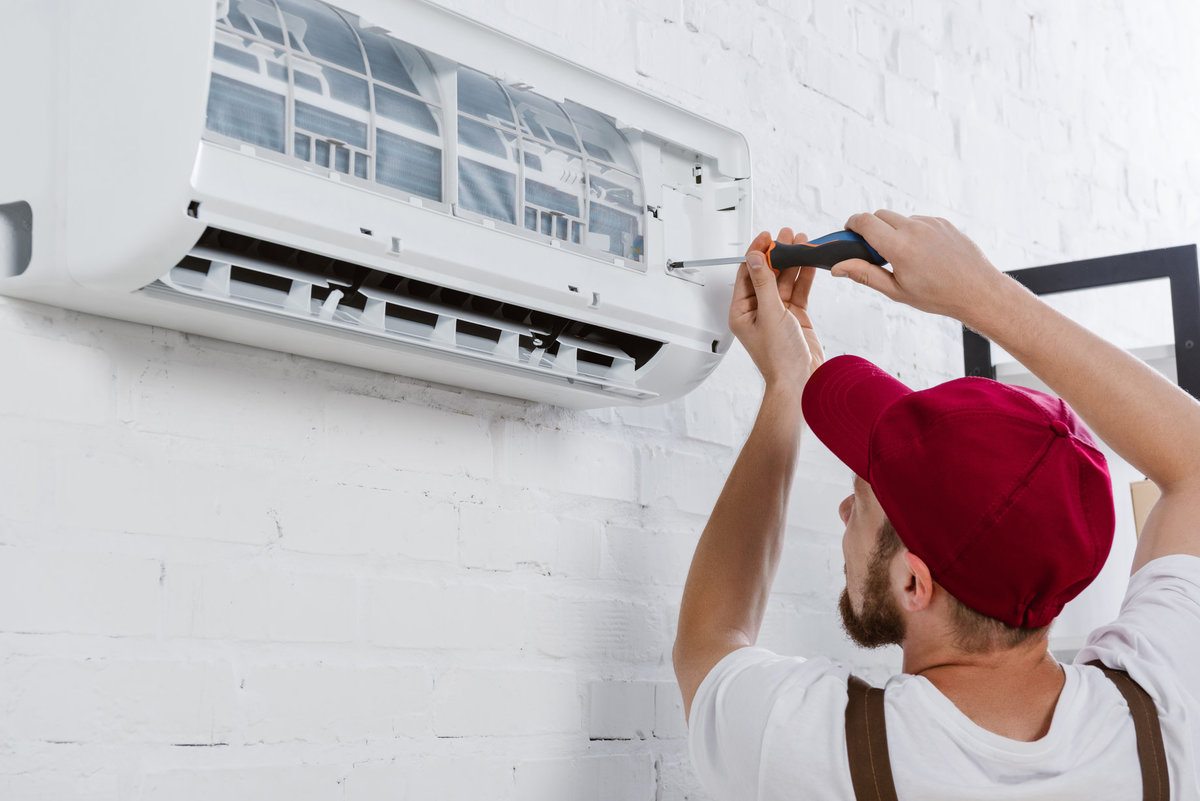
AC repairs show significant cost variations, influenced by factors such as the specific AC model, the complexity of the damage, and the region where the service is performed. Typical costs associated with repairs involve issues like loss of refrigerant, which may cost between $200 and $1,500 depending on the extent of the damage, and fan motor or capacitor changes, which might cost in the range of $100 to $600. In addition, malfunctioning thermostats often lead to bills of $50 to $300 for service or substitution. Regular servicing, even though it's preventive work, requires payment ranging from $75 to $150 for each service call. Property owners must allocate funds for these expected expenditures to ensure their AC units operate efficiently and effectively during the warm months.
Variables Determining Expenses
What is the influence of various components on the cost of air conditioning repairs? Several key factors contribute to the total costs linked to these services. For starters, the type of repair required can greatly influence costs; small repairs usually cost less than extensive problems. In addition, the age and model of the air conditioning unit impact the final bill; legacy equipment often demands specific parts or specialized effort. Additionally, the area of service is important, as labor rates and material costs vary by region. The demand during certain seasons may also cause price changes, with the height of summer typically having higher charges. Lastly, the expertise and standing of the AC company can affect costs, as established companies may charge more for their knowledge and trustworthiness.
The Importance of Regular Maintenance
Regular maintenance of air conditioning systems plays a vital role in enhancing their efficiency and performance. Through scheduling regular inspections, they can save considerable money in the long run while also extending the lifespan of their equipment. Understanding the importance of these maintenance practices helps ensure more trustworthy and efficient cooling performance.
Enhanced System Efficiency
Maintaining an air conditioning system is necessary to guarantee peak operation and power conservation - Richardson Air Conditioning Repair. Routine servicing, such as swapping out the air filters, monitoring the amount of refrigerant, and checking the internal mechanisms, mitigates overworking the system and guarantees maximum air circulation. This preventative measure not only maximizes the longevity of the unit but also improves its capacity to regulate indoor temperatures effectively. Scheduled maintenance permits technicians to spot problems sooner, reducing the chance of sudden failures and costly repairs. In addition, a properly serviced unit operates more quietly and helps enhance indoor air quality. By making scheduled servicing a priority, homeowners can enjoy consistent comfort while boosting the AC unit's total performance
Cost Savings Over Time
Although some homeowners might see air conditioning maintenance as an unnecessary expense, the eventual monetary advantages it offers can be substantial. Regular maintenance helps identify minor issues prior to them turning into major repairs, consequently sidestepping costly emergency services. In addition, a well-maintained system functions optimally, which can mean decreased power expenses. Over time, this efficiency translates into substantial savings, making the initial investment in routine upkeep justified. In addition, maintenance can better the air inside, lowering illness-related spending for families. To summarize, prioritizing regular air conditioning maintenance not only enhances system performance but also leads to significant monetary benefits over the equipment's duration, confirming its worth to homeowners.
Extending the Life of Your AC
Routine AC upkeep greatly prolongs the unit's operational life. Routine maintenance, including checking coolant levels and cleaning air filters, guarantees peak performance and efficiency. Failing to perform this service can result in greater deterioration, thereby reducing the unit's lifespan. Moreover, routine inspections can uncover minor faults before they grow into expensive fixes. By addressing minor problems early, homeowners can avoid significant breakdowns and extend the life of their air conditioning systems. Furthermore, properly serviced systems run optimally, which can result in reduced utility costs. Paying for scheduled servicing does more than ensure comfort but also secures a dependable cooling unit for many seasons, solidifying the importance of consistent care in air conditioning systems.
How to Choose a Qualified HVAC Technician
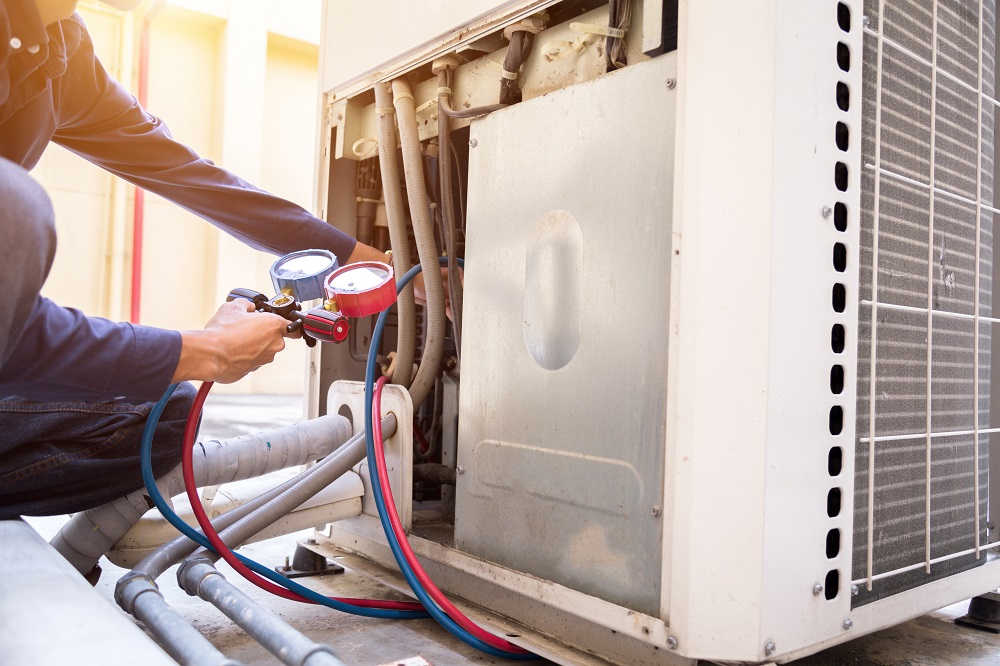
What is the best way to ensure they are selecting a competent HVAC technician? To begin, checking credentials is crucial; find technicians who hold certifications from recognized bodies like NATE or those holding state licenses. In addition, experience plays a significant role; technicians with many years in the industry are often better at diagnosing and repairing complex issues.
Soliciting recommendations from friends, family, or digital feedback can offer useful information into a technician's reputation. When prospective technicians are found, getting estimates and checking prices can reveal who provides fair and transparent service.
Moreover, a skilled technician needs deep understanding of various HVAC systems and be able to explain repair processes clearly. To conclude, confirm that the technician offers warranties on their work, showing their assurance in the service provided. By following these guidelines, a person can choose wisely when choosing an HVAC technician, securing trustworthy climate management in their home.
DIY Troubleshooting Tips for Minor Issues
What measures can homeowners use to troubleshoot minor air conditioning issues before calling a professional? Initially, they should examine the thermostat configuration to verify it is configured to cooling mode and the set temperature. Subsequently, checking the air filter for clogging is vital; a dirty filter restricts airflow, causing poor performance. Homeowners can also examine the outdoor unit for blockages, such as leaves or debris, that may hinder performance.
Another significant step is verifying that the circuit breaker hasn’t tripped, which could cut off power to the system. Furthermore, checking that all registers are open and unobstructed ensures optimal air flow. Lastly, listening for unusual noises or checking for unusual odors can help pinpoint possible problems. Using these easy troubleshooting methods, homeowners can successfully resolve minor AC malfunctions before calling for professional help.
Signs It’s Time for a System Replacement
After troubleshooting minor air conditioning issues, homeowners may find themselves questioning whether it's time for a system replacement. Many obvious symptoms can indicate the necessity of an upgrade. First, if the unit is over 15 years old, it may be not as efficient and at higher risk of breaking down. Additionally, frequent repairs that cost more than half the price of a new system suggest that replacement might be more economical. Another red flag is uneven cooling throughout the home, which can indicate declining performance. Increasing utility costs also point to inefficiency, as older models often require more electricity than newer, modern systems. Lastly, unusual noises or odors can point to significant internal damage, requiring immediate inspection. In conclusion, being aware of these warnings can assist residents in making smart choices about their air conditioning systems, guaranteeing optimal temperature regulation for their homes.
Advantages of Expert AC Maintenance
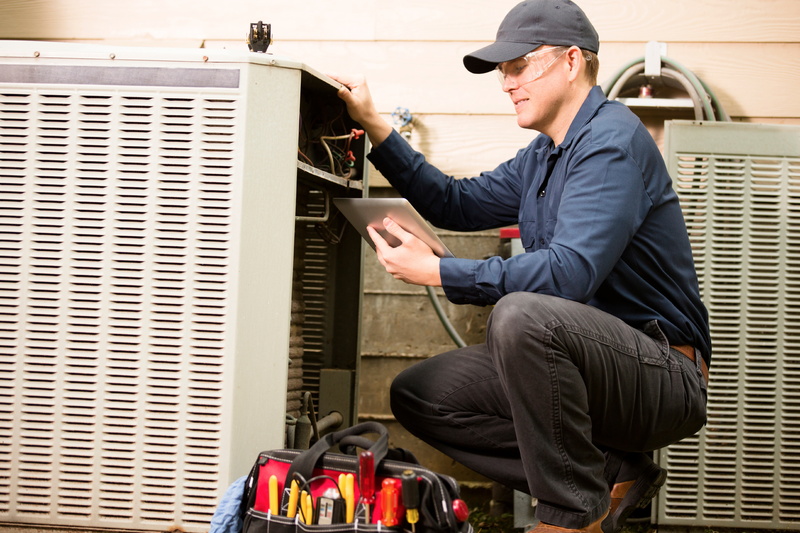
Expertise plays an essential role in ensuring optimal cooling operation. Expert AC maintenance companies offer numerous benefits, starting with thorough diagnostics. Trained technicians can identify underlying issues that may not be visible to the untrained eye, ensuring complete fixes. This professional skill not only improves how well the system works but also prolongs the life of the AC, which saves owners cash on premature replacements.
In addition, professional services guarantee compliance with required safety protocols, reducing the risk of hazardous malfunctions. Scheduled upkeep by skilled professionals can improve indoor air quality by preventing the buildup of dust and allergens within the system. In addition, these services often offer protection plans, offering assurance and protection against future repair costs. In conclusion, engaging professional air conditioning services ensures maximum efficiency, energy efficiency, and a better indoor climate, making it a wise investment for homeowners who want dependable cooling.
Commonly Asked Questions
How Often Should I Schedule Professional Air Conditioning Inspections?
It is advised to arrange air conditioning inspections a minimum of once per year, best prior to the hottest months. This scheduled servicing promotes maximum efficiency, extends system lifespan, and spots minor problems before they become major financial burdens.
Is DIY Maintenance an Option to Reduce Expenses?
Certainly, you can manage basic maintenance tasks like cleaning filters and verifying there's no debris. Yet, intricate servicing or thorough inspections need to be performed by licensed technicians to ensure maximum safety and system efficiency, avoiding expensive problems down the road.
What Kind of Guarantees Are Usually Provided on Air Conditioning Repairs?
Typically, warranties on air conditioning repairs range from 30 days to one year. Richardson Air Conditioning Repair. These usually include parts and the work done, however, the exact terms depend on the company, emphasizing the importance of reviewing warranty terms before proceeding with repairs
How Long Does an Air Conditioning Repair Usually Take?
AC system fixes generally require between one to four hours, subject discover here to the intricacy of the issue. Factors such as parts availability and technician experience can also influence the duration of time the fix takes.
Are There Any Energy-Efficient Upgrades Available for My System?
Energy-efficient upgrades for air conditioning systems include programmable thermostats, multi-speed compressors, as well as highly efficient filters. Such upgrades significantly lower power usage, which means cheaper utility bills and enhanced indoor comfort in homes and businesses.